

- cross-posted to:
- [email protected]
- cross-posted to:
- [email protected]
I’ve been hearing about these for a few years now. Huge if they work out at a large scale.
I’ve been hearing about these for a few years now. Huge if they work out at a large scale.
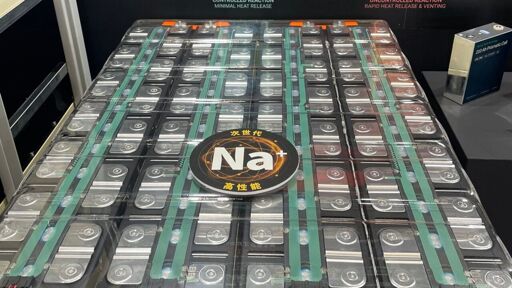
The article says that they contain NaCrO₂. That means that, by mass, they are 21% Na, 49% Cr, and 30% O. So I’m curious: why are they called sodium batteries, and not chromium batteries?
By mass it would be mostly graphene or water batteries - like always
Presumably because Na+ ions are the active charge carriers.