

- cross-posted to:
- [email protected]
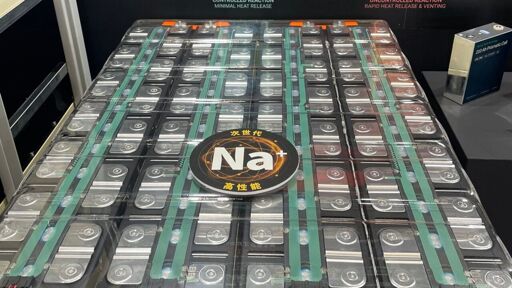
- cross-posted to:
- [email protected]
I’ve been hearing about these for a few years now. Huge if they work out at a large scale.
I’ve been hearing about these for a few years now. Huge if they work out at a large scale.
Do you think this battery tech will be applied to portable power tools?
Nope. Too heavy for the power capacity.
While I get that this is the narrative, people are overstating this case. High end sodium batteries have a similar energy density range to lower end lithium batteries (~150-175 wh/kg). This idea that people wouldn’t buy a battery that is cheaper, safer, and has a much longer cycle life if it weighs a bit more or only runs 80% as long between the faster charges is puzzling at best.
They have less density than Li ion because of their honeycomb structure. They may have the same output per weight, but they have more volume.
Afaik they are mostly intended for large scale grid storage where weight doesn’t matter. Or even efficiency, you can just add more super cheap solar panels. Their biggest advantage is longer lifespan though that makes them viable as a infrastructure project. Price and longevity is really all that matters for grid storage.
So they are a bit heavier than lithium ion batteries but could still work for many applications. Could be great for a solar powered catamaran for example. They are I think safer too.
PS: Actually I was thinking off the “sodium iron pyrophosphate (NFPP)” battery from CATL (see this video), but I think they are comparable.