

cross-posted from: https://discuss.online/post/42806046
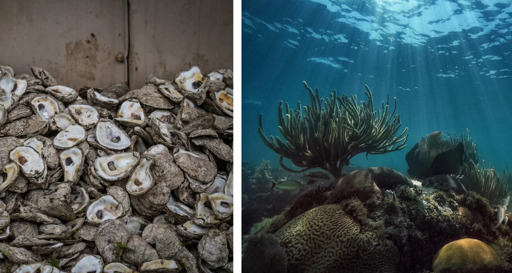
Some called it reckless dumping. Others warned it would be detrimental to an already dwindling ecosystem. And for a while, these concerns seemed valid. Even the researchers running this giant experiment had their doubts as no visible progress was initially seen.
All of these things and more helped revive fish, turtle, and dolphin populations to numbers not seen in over two and a half decades. Layer by layer, the ocean floor had rebuilt itself until the results were visibly undeniable.
It’s a very weird article, in that it tells a narrative about what went well with the oyster shells but does not quote or cite any sources for where that information is coming from. I don’t think journalism is supposed to work that way.
Just trust me bro. I heard it from by buddy, Tony. He’d never lie to me
See, even that would be a step up because I’d know you heard it from Tony
So, phony uplifting news? I guess we should cross reference and check.
fwiw it does seem to be true that there are programs in that region for restoring ecosystems by dumping used oyster shells: https://www.fisheries.noaa.gov/feature-story/gulf-coast-oyster-shell-recycling-key-sustainable-seafood-and-coastal-protection, so the main uplifting part isn’t phony.
I just think the “no one expected it to work” and “it worked much better than expected” claims are bogus AI hallucinations and that the article was generated without actual research, even automated research. Some of the keywords in the article are hyperlinks, and one of them is relevant to the topic of the article, but the rest are totally irrelevant, so I think what happened is the article was generated first, and there’s some algorithm for finding relevant links that was applied after.