Except you have that problem with everything that doesn’t somehow take power from a catenary or similar - in the case of diesel, you’re also moving your fuel, so I’m not sure how that would be different.
And I wouldn’t exactly say batteries are cheap or dangerous. Yes, when you do have problems, the fires are quite big, but it’s a rarity for problems to exist, especially with trains that are maintained to a much higher standard than your average car.
Except you have that problem with everything that doesn’t somehow take power from a catenary or similar
Energy density counts for a lot, which is another reason why H2 is a substandard fuel.
Yes, when you do have problems, the fires are quite big, but it’s a rarity for problems to exist, especially with trains that are maintained to a much higher standard than your average car.
The Indian rail network is not known for its high quality maintenance.
That said, I’d trust anyone with batteries over hydrogen, as a general rule.
Mind you, Hydrogen is actually less dangerous than batteries. When there is a leak, it generally dissipates fairly quickly and fires or similar are quite rare. So in that case… Maybe it would be better if the Indian railways used Hydrogen after all


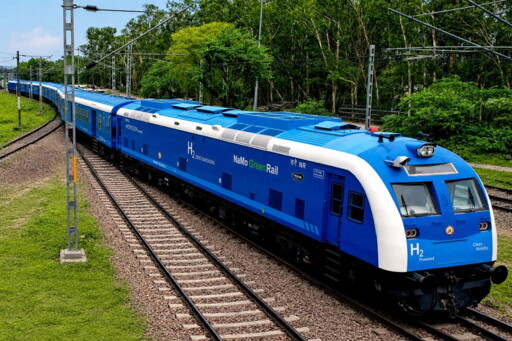
Except you have that problem with everything that doesn’t somehow take power from a catenary or similar - in the case of diesel, you’re also moving your fuel, so I’m not sure how that would be different.
And I wouldn’t exactly say batteries are cheap or dangerous. Yes, when you do have problems, the fires are quite big, but it’s a rarity for problems to exist, especially with trains that are maintained to a much higher standard than your average car.
Energy density counts for a lot, which is another reason why H2 is a substandard fuel.
The Indian rail network is not known for its high quality maintenance.
That said, I’d trust anyone with batteries over hydrogen, as a general rule.
Fair point about the Indian rail network
Mind you, Hydrogen is actually less dangerous than batteries. When there is a leak, it generally dissipates fairly quickly and fires or similar are quite rare. So in that case… Maybe it would be better if the Indian railways used Hydrogen after all
Tell that to the Hindenburg.
It’s more the risk of hydrogen embrittlement, which can cause sudden catastrophic failure of their containers.
And, broadly speaking, it’s not an issue because hydrogen cells aren’t commonly in use for retail civilian consumption.
As soon as you’ve got a bunch of big tanks zipping around on bumpy tracks at high speeds…